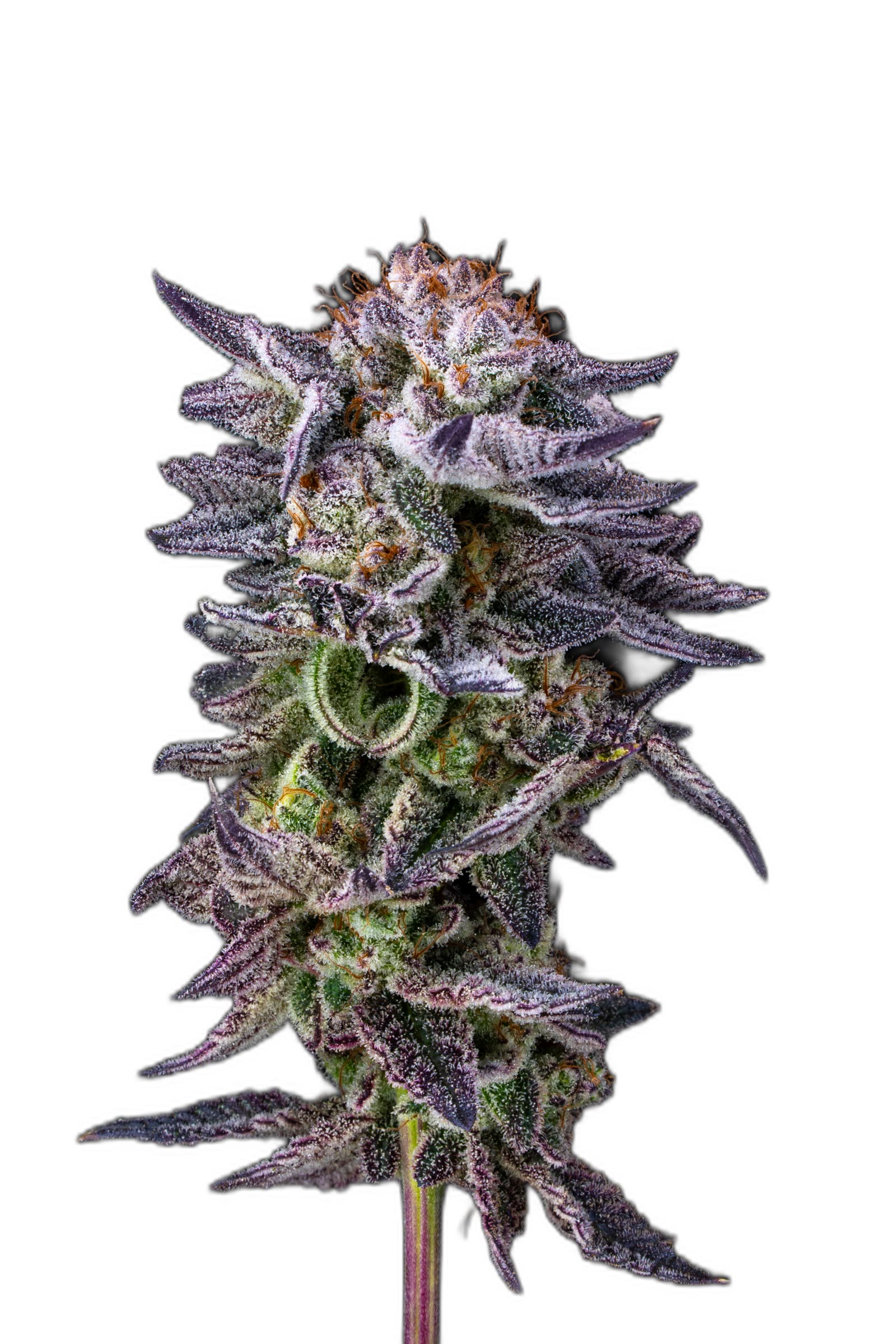
What's Actually in Weed That Helps You Sleep
CBN, myrcene, linalool. Why some strains knock you out and others don't.
Three things in cannabis actually determine whether a flower sends you to bed or to the gym: the dominant cannabinoid (THC, CBD, or CBN), the terpene profile, and how well the flower is cured. "I gave them an indica and they fell right asleep" is a half-truth — indica/sativa is a useful but crude classification.
CBN: The Sleep Cannabinoid
CBN (cannabinol) forms when THC oxidizes over time. Freshly harvested flower has close to zero CBN. Flower cured for 6-8 months can reach 1-3%. Small studies show CBN has a stronger sedative effect than THC alone, especially combined with CBD. It's no coincidence the old-timers said a long-stashed joint "could put a horse to sleep": storage oxidized the THC and raised the CBN.
The Sedative Terpenes
Two terpenes carry more weight than the rest when it's time to sleep:
- Myrcene: found in mango, hops, and thyme. It's the terpene most associated with the "couch lock" effect. Strains with more than 0.5% myrcene tend to be sedating.
- Linalool: the same terpene as in lavender. A mild muscle relaxant that eases anxiety. Combined with CBD, it amplifies the effect.
- Terpinolene: present in some sativas; not sedating on its own, but it contributes to the entourage effect when myrcene is around.
CBD to Stay Asleep
THC helps you fall asleep but cuts down REM sleep. For people with chronic insomnia, that can become a long-term problem (less REM = worse memory consolidation). CBD does the opposite: it helps maintain deep sleep without reducing REM. That's why the oils most used by patients with sleep disorders tend to be 1:1 or 2:1 CBD:THC ratios, not pure THC.
What to Avoid Before Bed
- Limonene- or pinene-dominant strains: stimulating, they clear your head and wake you up.
- Late-night edibles: the effect can kick in 2-3 hours later and split your night in two.
- Mixing with alcohol: it pushes you into sleep but wrecks its quality.
- Chronically high doses: building tolerance is counterproductive. Start low and respect monthly tolerance breaks.
For sleep, the rule is 1-2 mg of THC plus 5-10 mg of CBD half an hour before bed. More isn't better — it's worse.
If your sleep disorder is chronic, talk to a doctor before self-medicating — in Argentina, that means one registered with REPROCANN, the country's medical cannabis program. The plant helps, but dose and ratio matter.
THE CLUB
Join the community
Growers with a name and a face, traceable batches, a real community. No smoke, no empty promises.
Join the clubKEEP READING
 HEALTH
Which Medications Are People Replacing With Cannabis?
Painkillers, sleep aids, anti-anxiety meds: what the substitution studies actually found, and why you never quit a prescription cold turkey.
 HEALTH
Cannabis and Eating Disorders: What Research Says About Anorexia, Bulimia and Binge Eating
The munchies are real, but eating disorders are complicated: what the endocannabinoid system has to do with appetite, and why cannabis isn't an established treatment for them.