
Cannabis Growing Legends: The Pioneers Who Wrote the Playbook
Jorge Cervantes, Ed Rosenthal, Brownie Mary and Mahmoud ElSohly: four people who put their names on a persecuted plant when almost nobody else would.

The cannabis growing legends are the people who wrote the playbook before anyone else would: Jorge Cervantes, Ed Rosenthal, Brownie Mary and Mahmoud ElSohly. Every hobby, trade or profession has its pioneers — the ones who rewrote the rules, kicked doors open and became the go-to authority — and these four did it for weed. Getting famous for being good at something is easy enough. But cannabis is still illegal in a lot of countries, and back then it was way harder than it is now to find anyone willing to put their name and face on a persecuted plant.
What these growers did was dig in, research, collect information, share the data and, above all, teach other people the know-how they needed to become cannabis growers themselves.
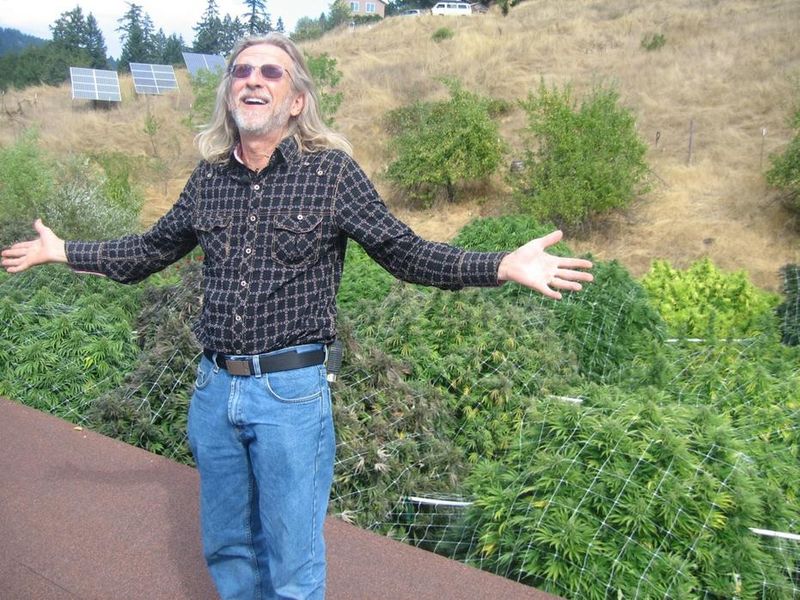
George Van Patten, a.k.a. “Jorge Cervantes”
If you grow, you've probably heard of Jorge Cervantes. His grow guide, known as “the Cannabis Bible,” is exactly what the nickname says: the sacred text of home growers.
It's a practical, easy-to-follow manual aimed mostly at people starting from zero. It walks you through the process step by step, and it was built largely from notes and writing Cervantes had been collecting since 1983, when he was growing in Mexico and Southern California.
To put it together, Cervantes leaned on his own home-grow experience, plus visits to gardens and interviews with growers of every kind all over the world. With his manuals, someone with little time and not much money can set up a cannabis grow step by step and pull medical-quality flower, or raise a healthy outdoor plant more than 3 m (10 ft) tall.
After that first book — now known simply as the Bible, and grown to 500 pages — came 25 more titles, translated into seven languages.
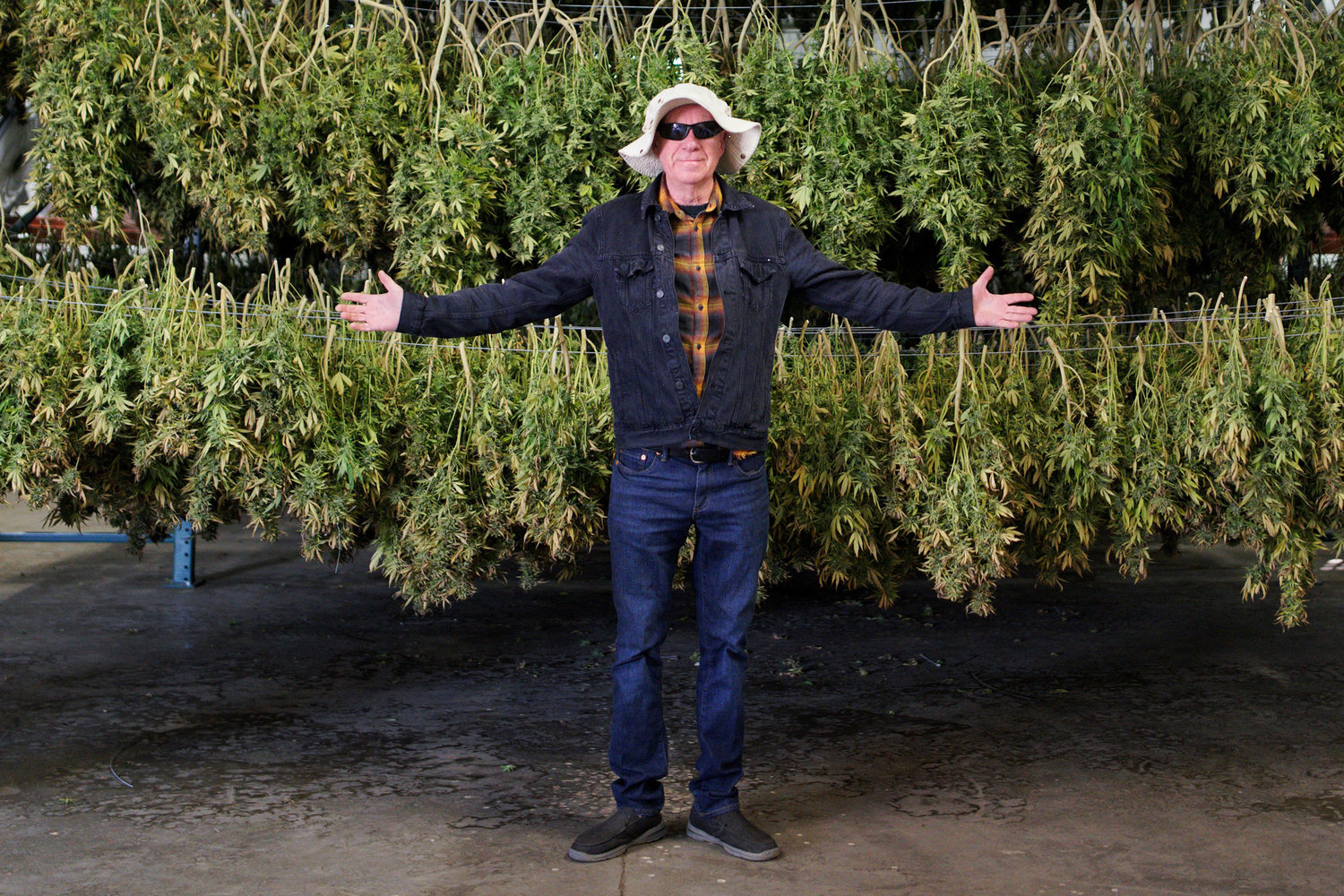
Ed Rosenthal, the “Guru of Ganja”
Known as “the Guru of Ganja,” Ed Rosenthal is an internationally known cannabis horticulturist, author, educator, activist and legalization pioneer. Back when almost no growers were writing about their own experience with the craft, Rosenthal was handing out every tip and trick he'd learned in his column in High Times magazine.
That was 1974, and he was already schooling readers on plant anatomy, grow techniques and more so they could grow at home.
Rosenthal started fighting for the right to grow your own about 50 years ago, and the movement has since won some degree of freedom in different parts of the world over where we can grow our cannabis, under certain rules. Still, he sees it as an unfinished revolution with plenty left to win.
In 2002, Rosenthal was arrested by federal agents for growing cannabis, and his trial swung public opinion behind state medical marijuana laws. In 2003, California passed Senate Bill 420, which set rules for home grows and medical collectives in the state and put the medical cannabis scene there on a more formal footing.
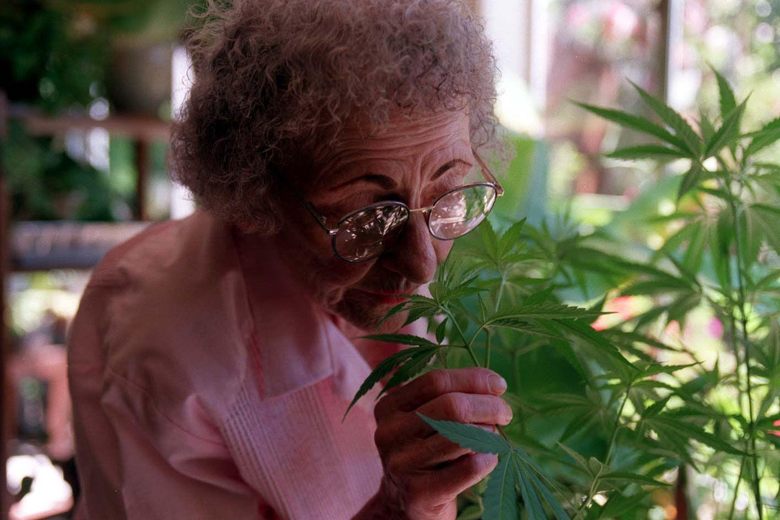
Mary Jane Rathbun, a.k.a. Brownie Mary
Mary Jane Rathbun was more activist than grower, but what she pulled off was huge. Ending cannabis prohibition mattered to her because it hurt — and still hurts — an enormous number of people.
In the late '80s, the AIDS crisis was tearing through San Francisco. Hospital beds were full, and with average life expectancy after diagnosis at just 18 months, thousands of people were dying every year. Rathbun walked the hospital halls handing out pot brownies to ease patients' suffering. That's how she became “Brownie Mary.”
Rathbun noticed less pain and nausea among people with chronic illness. As she got more famous, growers started donating weed for her recipes. Her advocacy helped push researchers to take a serious look at cannabis's palliative and therapeutic potential.
She didn't just fight for laws protecting medical users: Brownie Mary also helped activist Dennis Peron launch the San Francisco Cannabis Buyers Club, widely considered the first public cannabis dispensary in US history.
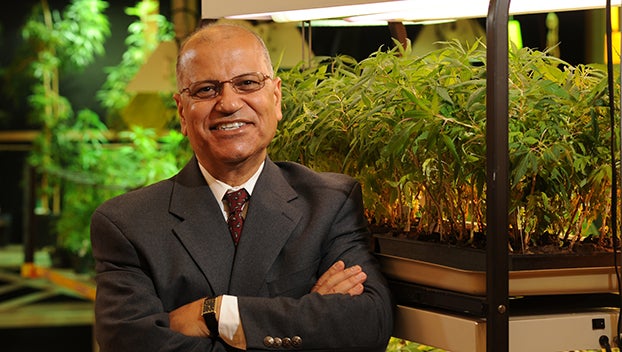
Mahmoud ElSohly
Mahmoud ElSohly is an Egyptian-born American pharmacologist known for his cannabis research. He's a pharmacy professor and the longtime director of the Marijuana Research Project at the University of Mississippi, which for decades was the only legal source of cannabis for medical research in the United States.
The project dates back to 1968, when the federal government contracted Ole Miss to grow cannabis for academic and scientific research on a roughly five-hectare (12-acre) farm on campus — the first legal federal cannabis grow in the country.
In the early days, the strongest weed the Mississippi program produced topped out around 3 to 4% THC. Only when researchers started asking for more did the team begin working on stronger strains, closer to what was already showing up on the street.
That's how they started producing cannabis at 8% THC. As ElSohly tells it: “The researchers gave this stronger marijuana to subjects in a clinical trial, and even the most experienced ones couldn't handle it. They called me and said, 'This is too strong.' And I said, 'We know, but that's what you asked for.'”
Thanks to him and his work, a lot of never-before-done studies on cannabis became possible, opening the door to a much better understanding of the plant and what it can do.
If you liked this, you might also be into...
[embed]https://www.cosechalibre.com/viajar-en-avion-con-cannabis-por-argentina/[/embed]
THE CLUB
Join the community
Growers with a name and a face, traceable batches, a real community. No smoke, no empty promises.
Join the clubKEEP READING
 NEWS
NEWSGrow Light Timers: What They Are and How to Set One for Your Grow
Digital, analog or mechanical: the cheap little gadget that keeps your light cycle dialed in while you sleep.
 NEWS
NEWSWhat Is Cannabis Cloning? Why Growers Do It and How It Works
From picking a mother plant to rooting the cut, here's why so many growers skip seeds altogether.