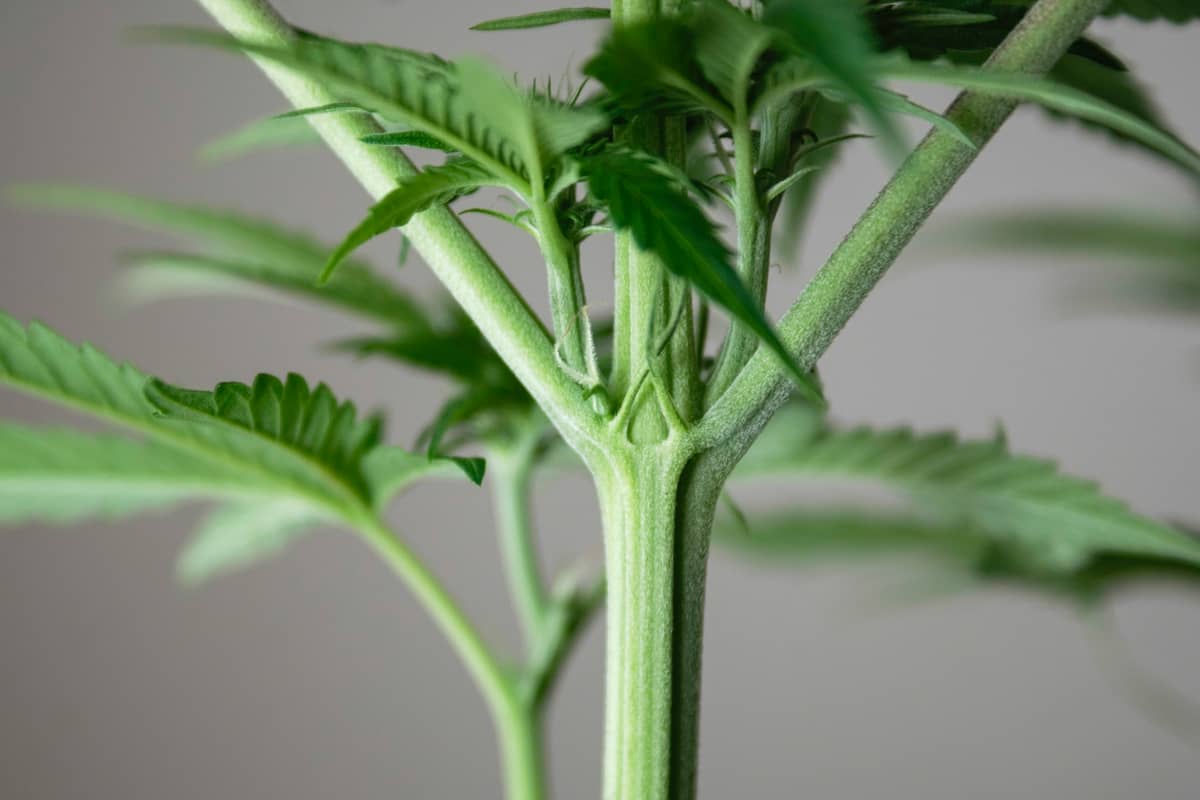
Hemp vs. Cotton: Which Fabric Is Actually Better?
Land, water, pesticides, soil health, comfort and carbon: a round-by-round matchup between the world's favorite fiber and its tougher, greener rival.
Overall, hemp beats cotton: it produces the same amount of fiber on about half the land, uses a fraction of the water, needs fewer pesticides and makes stronger, longer-lasting fabric. Cotton still wins on out-of-the-box softness, though hemp softens up with wear. In textiles and sustainable fashion, material choice matters, and these are two of the most widely used natural fibers, each with a long history, real perks and some drawbacks. With green practices on everyone's radar, the question keeps coming up: which is better, hemp or cotton?
A little history: what are cotton and hemp?
Cotton has been the textile industry's dominant fiber for centuries, loved for its softness and versatility. But conventional cotton farming often relies heavily on water and pesticides, which raises serious environmental concerns.

Meanwhile, hemp, though less common today, is gaining ground thanks to its low environmental impact and useful properties. Hemp needs less water, stands up to pests and improves soil health. Its fibers are also strong, durable and often described as naturally antibacterial.
Hemp vs. cotton: a head-to-head matchup
Picking the better textile means comparing both materials across a range of metrics. Let's go category by category and crown a winner.
Land use
Hemp fiber wins this round by a wide margin. It can produce the same amount of material as cotton on just half the land. In a world where farmland is a scarce resource, that efficiency gives hemp a big edge.
Water use
Hemp takes this one too. Cotton needs roughly 9,700 liters (about 2,560 gallons) of water to produce 1 kg (2.2 lb) of fiber, while hemp needs only about 2,100 liters (about 555 gallons). In regions short on water, or facing desertification driven by cotton farming, switching to hemp could help save precious freshwater.
Pesticide use
Hemp plants, cannabis included, have natural pest-repelling properties and are less prone to pests. That cuts the need for pesticide treatments compared with cotton. And since hemp needs less land, fewer acres get sprayed, which is good news for the environment.
Soil damage
Hemp can reportedly be grown in the same soil for 14 years without significant damage, and it can return up to 60% of its nutrients to the soil. It can even help clean up soil by pulling out heavy metals. Cotton, by contrast, can do serious damage to soil because of the heavy pesticide load it needs and the negative effects of genetically modified Bt cotton on soil enzymes and bacteria.
How it feels to wear
Cotton is known for its softness, which makes it a favorite for clothing. Hemp isn't as soft at first, but it softens with wear and is extremely durable. Both are breathable, good at wicking moisture away from the body and good at keeping odors down.
Hemp is also antimicrobial and antibacterial, which makes it resistant to mildew.
When it comes to dyeing, cotton is naturally white or off-white, so it takes any color easily. Hemp, depending on where it comes from, can be white, gray, green or black, which also gives it plenty of range for dyeing.
CO₂ absorption
Both cotton and hemp are effective at absorbing CO₂. But hemp has an extra edge thanks to its much wider range of uses, including construction, oils, upholstery, rope and paper. That makes it a seriously effective tool in the fight against climate change.
The verdict: which is better?
Weighing all these factors, hemp comes out as the clear winner. It's more efficient on land, water and pesticides, and it's easier on the soil. And while cotton feels softer at first, hemp gets more comfortable over time and lasts longer.
Hemp also does a lot for CO₂ absorption and has tons of practical uses, making it the more sustainable and versatile choice. With the hemp industry projected to grow, we'll likely see a lot more of it and a rethink of its place in the global textile market.
What hemp fiber is made of and how it performs
The makeup and structure of hemp fiber make it an ideal alternative to cotton and synthetics in a lot of ways. Its biggest functional advantage over cotton is its superior tensile strength.
Like all cellulose fibers, hemp fiber is mostly cellulose (60-70%), but it also contains 15-20% hemicellulose and about 5% lignin, pectin, fats and waxes. Hemp fibers are exceptionally long compared with other natural fibers.
Branched hemicellulose fibers weave in between the cellulose fibers, forming an interlaced network. That network of long fibers adds extra reinforcement to hemp yarn, something you don't see in cotton yarn, and it's a big reason natural hemp-blend rope is so strong.
How does industrial hemp perform?
Hemp is also more absorbent and breathable than cotton, and especially more than petroleum-based synthetics, thanks to the gaps inside its cellulose-hemicellulose network. That makes hemp easier to dye, since it needs less pre- and post-treatment than other natural fibers.
The branched hemicellulose makes hemp rope less resistant to abrasion, but that same quality lets hemp take on a soft, brushed feel over time, which is a plus in a lot of textile uses. Another perk unique to hemp is its natural content of (non-psychoactive) cannabinoids and terpenes, whose antimicrobial activity is well documented.

Hemp's low extensibility (how much it stretches before breaking) makes twisting hemp yarn a challenge even for veteran rope makers. But that same quality makes hemp a great pick wherever stretch hurts performance, like sails and boat upholstery.
Conclusion
Hemp fiber stands out for its makeup and performance, beating cotton and petroleum-based synthetics on several fronts. From greater strength and durability to sustainability and industrial versatility, hemp is shaping up as a textile of the future, with benefits for both consumers and the planet.
THE CLUB
Join the community
Growers with a name and a face, traceable batches, a real community. No smoke, no empty promises.
Join the clubKEEP READING
 NEWS
NEWSGrow Light Timers: What They Are and How to Set One for Your Grow
Digital, analog or mechanical: the cheap little gadget that keeps your light cycle dialed in while you sleep.
 NEWS
NEWSWhat Is Cannabis Cloning? Why Growers Do It and How It Works
From picking a mother plant to rooting the cut, here's why so many growers skip seeds altogether.