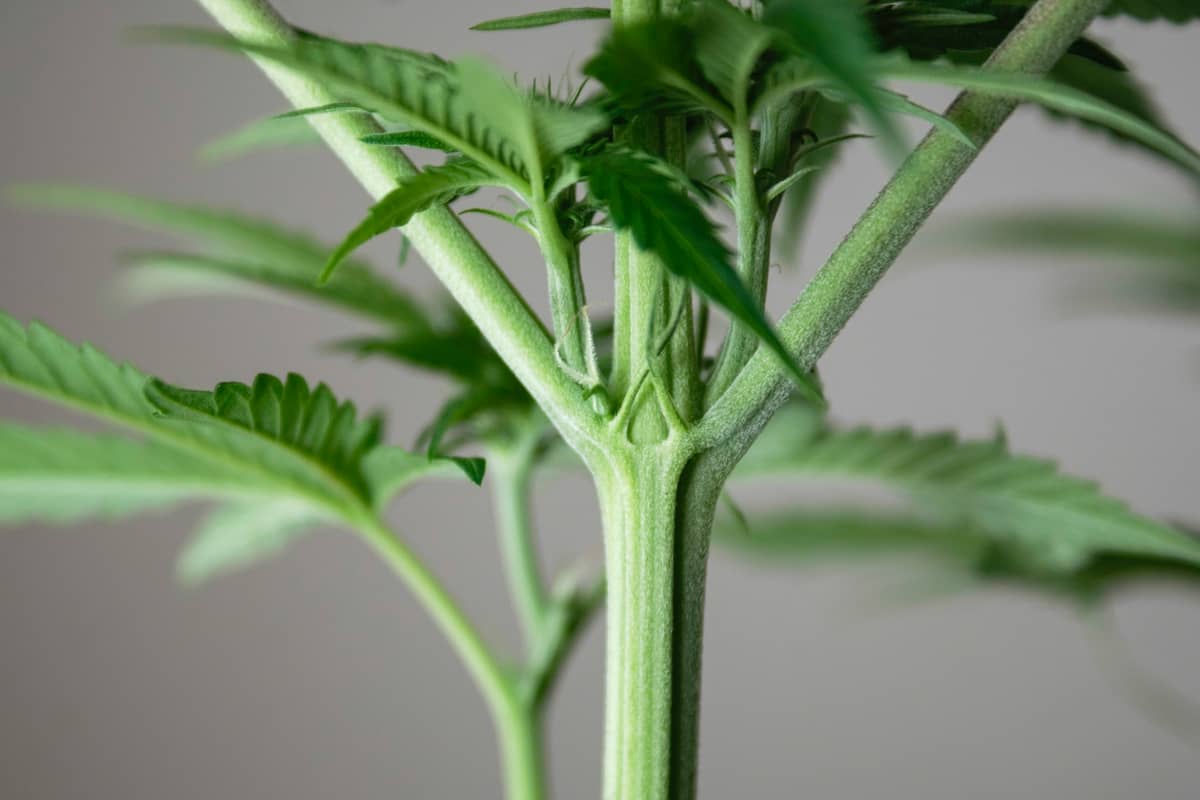
How to Tell If Your Cannabis Plant Has Been Pollinated
Two tell-tale signs reveal whether your female plant has been fertilized — and catching them early can save your entire harvest.
You can tell a female cannabis plant has been pollinated by two main signs: the bracts (the small leaf-like pods that house the plant's reproductive organs) swell up and fatten, and the pistils darken only at their tips while the rest stays white. Catching pollination early matters, because once it happens your plant pours its energy into making seeds instead of resin — directly hurting the quality and yield of your harvest. Below we break down exactly what to look for, how to keep it from happening, and what to do if it already has.

How do I know if my plant was pollinated?
Pollination and fertilization can be a serious headache for cannabis growers, because they drag down bud quality. That's why it's crucial to spot a pollinated female plant as early as possible. The good news: the process leaves behind a few clear, readable signs.
Swelling bracts
One of the first hints of pollination is the bracts swelling up. These leaf-like structures protect the female plant's reproductive organs and are exactly where your buds will form. A reliable way to confirm pollination is to gently open a bract with tweezers and check whether there's a seed inside.
Pistil color
The color of the pistils can also tip you off. Pistils — the flower's reproductive organs — normally shift from white to deep orange or red as flowering progresses. But on a pollinated flower, only the tips of the pistils darken, while the rest stays white.
Spotting these early signs lets growers act fast and stop their female plants from funneling energy into seed production instead of building dense, high-quality buds. It also gives you a chance to course-correct before it's too late, protecting the quality of your harvest.
How do you prevent pollination and fertilization?
To keep your female cannabis plants from being pollinated, you have to be proactive about controlling male and hermaphrodite plants — those females that end up producing pollen. During the first three weeks of flowering, inspect your grow frequently to catch and remove any males.
Most growers cull male plants the moment they spot them, since a single male puts the whole harvest at risk of unwanted pollination. Breeders, on the other hand, may choose to keep males alongside females for selective crosses.
In that case, it's standard practice to separate the sexes to avoid accidental pollination. You might grow females in one space and males in another, or tuck the males into a far corner of an outdoor plot, well away from the females.
Even with all these precautions, there's always a residual risk of accidental pollination, since pollen travels on the wind. So stay diligent about monitoring and managing male plants to keep that risk as low as possible and protect your buds.
What should I do if my plants got pollinated?
If your cannabis plants have been pollinated, it's important to act quickly so you don't waste time and effort on a harvest that may disappoint. In most cases, the best move is to scrap both the male plants and the pollinated females and start fresh.
Can you smoke pollinated cannabis?
Absolutely. Sure, nobody wants to find seedy buds at a dispensary, but pollinated flower can still be smoked — just with a few drawbacks. There's no need to toss these buds entirely. It takes a bit of extra work, but you'll still get the terpenes and cannabinoids that the fertilized flower has to offer.
When you harvest pollinated buds, you'll need to remove the seeds. You can do this by hand or with tweezers, making sure to get them all. Another option is to break the buds up gently so the seeds fall out more easily.

You can also cut the flowers into smaller pieces to clear out the seeds. Use trimming scissors to split the buds and pull the seeds as they appear. This material can be smoked or used to make dry-ice hash.
Keep in mind that some people are sensitive to cannabis pollen, just as they are to pollen from other plants. If you have a pollen allergy, it's best to steer clear of smoking pollinated buds.
Protect your flowers from pollen to get the best possible quality. Pollinated buds simply don't measure up to unfertilized flower, for a few reasons:
- Poor flavor: Pollinated flowers spend their energy making seeds instead of building terpene-rich resin, which leaves the taste flat and muted.
- Low THC content: Less resin means fewer cannabinoids like THC, which translates to weaker buds.
- Possible discomfort: Seeds can make the smoke harsher and rougher on the throat, and they risk popping when they hit the heat, ruining the experience.
How to prevent pollination in your female cannabis plants
For home growers worried about pollination, the modern cannabis industry offers a clean fix: feminized seeds. Available across a wide range of classic strains, these seeds remove the need to identify and separate male plants as they grow.
With feminized seeds, every plant will produce smokable buds — as long as they come from a trusted source. When you go this route, you can pick the seeds that best fit your grow setup and your personal goals.
Is it worth growing these seeds?
If your plants made seeds, why not use them to germinate more plants? It's an option — just maybe not the best one. Quality cannabis strains come from selective breeding, which locks in genetic stability and desirable traits.
Seeds from accidentally pollinated plants, on the other hand, can produce unreliable offspring: low yields, poor flavor, and unwanted effects. Still, if you've got the time and resources, it might be worth a shot — you could end up surprised.
That said, keep in mind that growing seeds from accidentally pollinated plants can pass hermaphrodite traits down the line. That means you could find yourself facing the same pollination problem all over again in future grows. So as a rule, it's best to avoid growing seeds from plants that pollinated themselves, to keep your future grows successful and headache-free.
THE CLUB
Join the community
Growers with a name and a face, traceable batches, a real community. No smoke, no empty promises.
Join the clubKEEP READING
 GROWING
How to Support a Giant Outdoor Cannabis Plant: Ties, Stakes, Netting and Soil
A 4-meter plant with 2-meter branches won't hold itself up: the tying, staking and netting routine that keeps a monster standing.
 GROWING
Gorilla Rainbow and Gorilla Glue: The High, the Yield and When to Harvest GG Auto
An easygoing indica-dominant cross, its famously sticky parent, and how to read trichomes and pistils to time a Gorilla Glue Auto harvest.