
How to SCROG Cannabis: A Step-by-Step Screen of Green Guide
Top early, string the net, weave the branches and time the flip: the 1960s indoor trick that still squeezes the most out of a few plants.

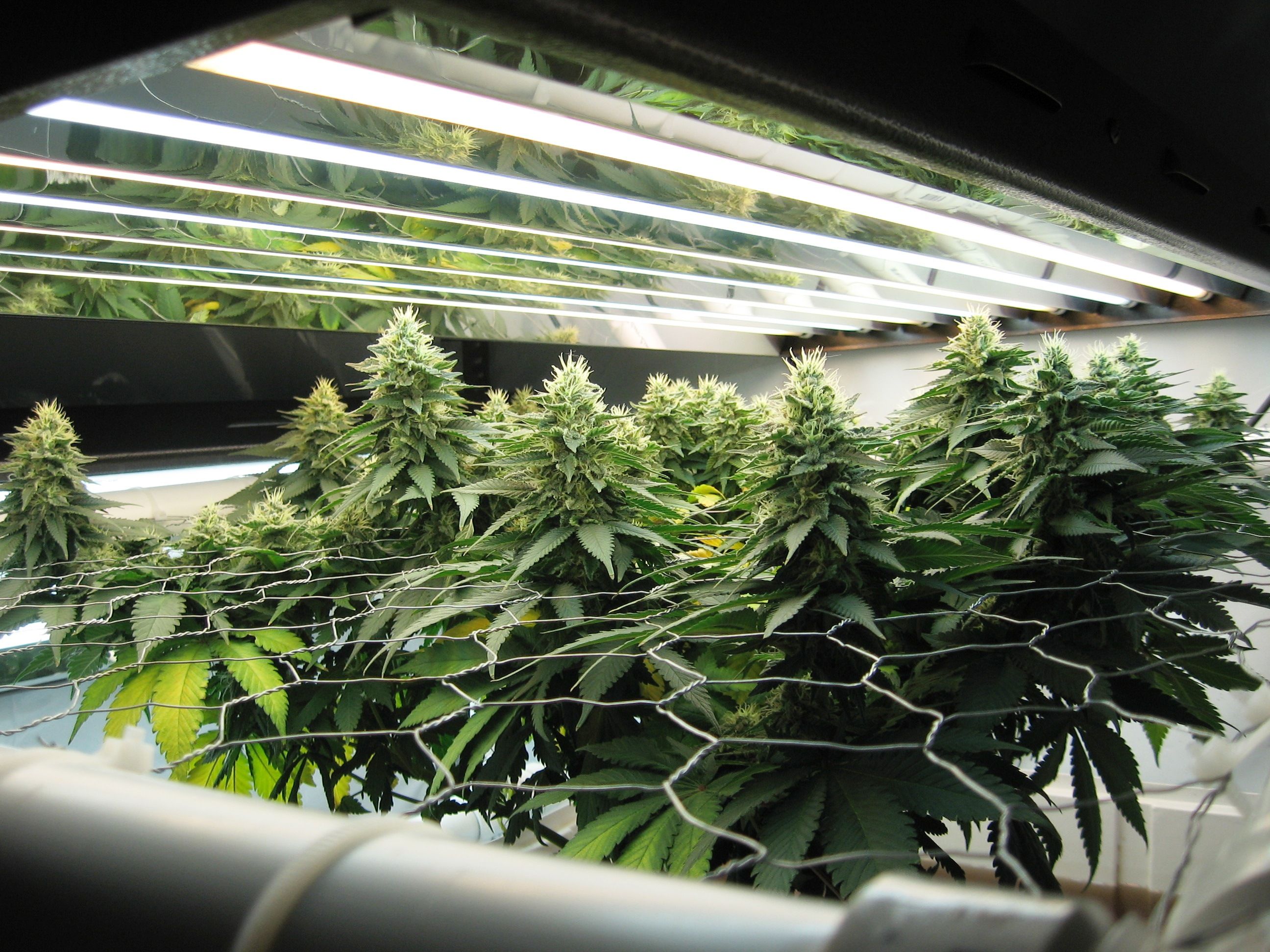
To SCROG cannabis, you top the plant early, stretch a net (the “screen”) about 20 cm (8 in) above the containers, and weave the side branches through it so they grow sideways into an even canopy before you flip to flower. SCROG stands for Screen of Green (basically, a green net), a growing method born in the US in the 1960s.
Back then, a lot of people were forced to grow strictly indoors under artificial light, so SCROG came out of the need to squeeze the biggest possible yield out of those plants. “Necessity is the mother of invention.”
Over the years, and thanks in part to the much better grow lights we have today, SCROG has come a long way. Still, the technique stays true to its roots and basically works the same way it always has.
[caption id="attachment_2533" align="aligncenter" width="620"]
 Credit: Royal Seeds[/caption]
What is SCROG and how does it work?
This technique maximizes your yield not by adding more plants but the opposite: it limits how tall your cannabis plants grow and pushes them to spread out horizontally.
When you cut off the plant's main growing tip (topping), it stops growing upward and has to pour all its energy into the rest of its branches. At the same time, you use a physical structure to train those side branches to grow out sideways.
If you get every branch sitting the same distance from the light, you'll have boosted your yield while cutting down on the number of plants you need. Those branches will grow strong and healthy as if each one were its own plant!
[caption id="attachment_2536" align="aligncenter" width="623"]
 Credit: Autoflowering Cannabis[/caption]
A key point is growing strains that take well to this method. So which strains are best for SCROG?
Sativas are the usual recommendation. The main reason is that their stems are thinner and easier to bend than those of indica strains.
How to SCROG, step by step
As we said, SCROG rests on two basic principles: pruning the plant to get more out of it, and then encouraging it to grow horizontally.
Put those two ideas together and you can use this technique either to get more out of your plants or to make better use of your grow space. Let's get into it.
Step 1: Top the main stem
First things first: cut the main growing tip on every plant you're going to SCROG. How many plants you use depends on your space, but in general you can get a lot out of just a few.
When you're a rookie things can get tricky, and with SCROG practice makes a big difference. Either way, you'll see that over time, if you apply the method right, you'll pull the same yield from fewer and fewer plants.
Most experts recommend topping as early as possible. Usually, after the plant has had a couple of weeks to grow, you can snip off the main tip and start training it horizontally.
Use a good pair of pruning shears that you've sterilized with alcohol beforehand. Otherwise you risk giving the plant an infection.
Give your plants the time they need to adjust. They'll pay you back big time.
Step 2: Install the screen and train the branches
Once the plant recovers from the shock of the cut, it'll channel its energy into growing its side branches. That's when you put up the net.
Indoors, the net usually goes about 20 cm (8 in) above the containers; outdoors, you'll need to work out the right height based on plant size. As the plants grow, they'll get caught up in the net.
There are a few ways to lay out the branches. If you put what would be the main branch in the center of the net and spread the rest out from there, that's a concentric layout.
If you start from anywhere else, the layout is eccentric (off-center).
Step 3: Switch the light schedule
When it's time to flip to the flowering stage, take into account both how well the branches have filled the net and the strain and its traits.
Here's why: some strains keep growing for a while after flowering kicks in (the so-called flowering stretch). So it's all about getting a feel for each plant's timing.
Made it this far? Keep reading...
[embed]https://www.cosechalibre.com/como-sacar-un-permiso-para-cultivar/[/embed]
THE CLUB
Join the community
Growers with a name and a face, traceable batches, a real community. No smoke, no empty promises.
Join the clubKEEP READING
 GROWING
Super Lemon Haze Strain: Effects, Flavor and Haze Family Tree
The two-time Cannabis Cup winner from Green House Seeds: a zesty, sativa-leaning hybrid with a clear head high and a body buzz to match.
 GROWING
How to Grow Autoflowers: A Complete Guide From Seed to Harvest
Light schedule, training, containers and growing medium: everything a beginner needs to pull a solid harvest from autoflowering cannabis.