Ice Water Flush for Cannabis: Does It Really Boost Resin?
The grow-room legend says icing your roots before harvest makes buds frostier. Here's what the evidence says, plus how to flush the right way.
No: there's no solid evidence that flushing your cannabis plants with ice or ice water boosts resin production. The idea is that cold stress makes the plant pump out more trichomes, but the claim has no real science behind it, and cold, wet, dark roots are an open invitation to fungus. If more resin is the goal, supplemental UV light in late flower is a better-supported bet.
What is flushing in a cannabis grow?
Flushing means giving your plants nothing but plain water during the last weeks before harvest. The theory goes that once you cut off nutrients and feed only water, the plant burns through the nutrients stored in its tissues, which supposedly improves resin quality and, with it, the flavor and aroma of the buds.
The ice flush myth, explained
The ice myth
One idea that's been making the rounds among growers is adding ice to the flush. The belief is that piling ice on top of the container, or chilling the plant some other way, stresses it, and that the plant responds by cranking up resin production. Here's the thing, though: none of these claims stand on solid scientific ground.
Flushing and cannabis resin
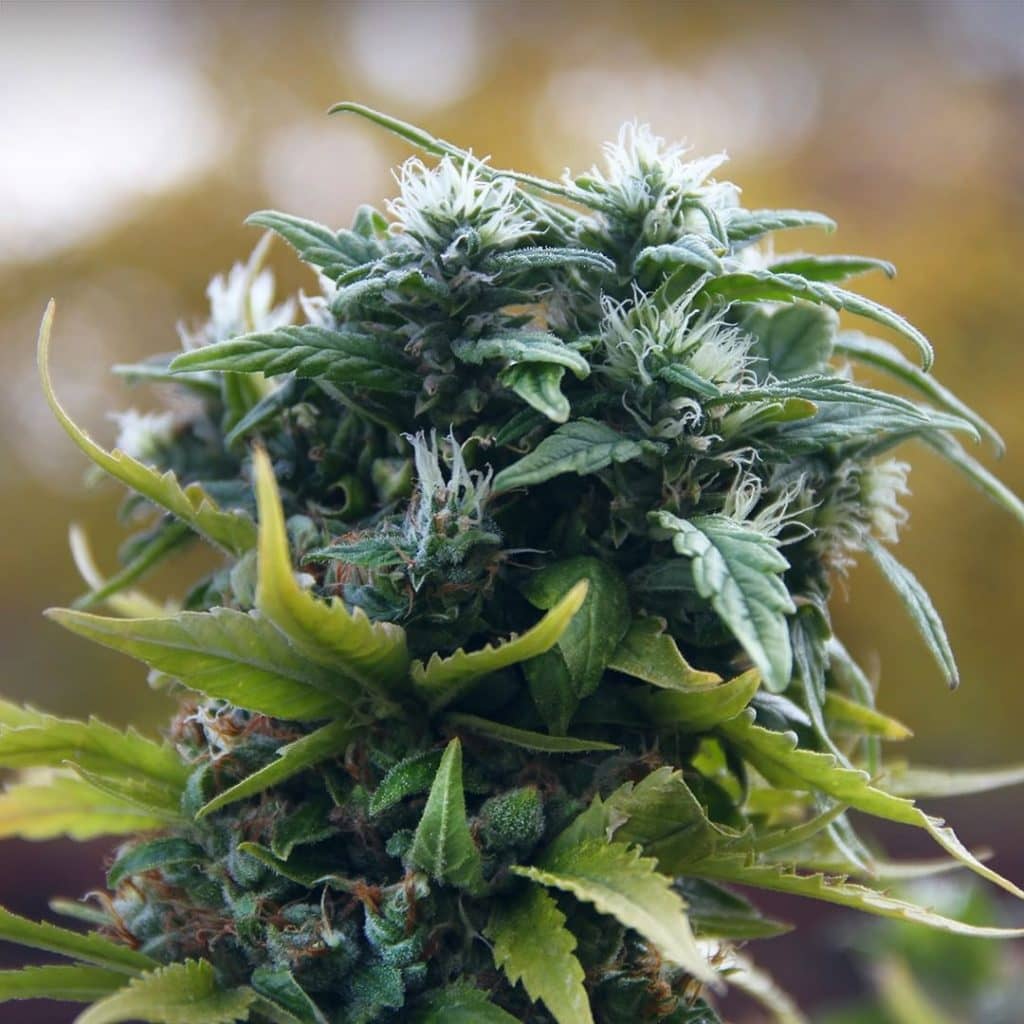
Plenty of factors influence how much resin a cannabis plant makes, but there's no solid scientific evidence that using ice during a flush significantly increases it. Some crops do respond to stress with more trichomes and therefore more resin, but those effects are inconclusive and usually show up under controlled experimental conditions, not in your grow tent.

Ice and fungal growth
There's a big downside to putting ice in a flush: it can create the perfect setup for fungus. Moisture, low temperatures and darkness around the roots are ideal conditions for fungi to spread, and that can mean sick plants and a lower-quality harvest.
Can UV light increase trichome production?
If you want more and better resin on your plants, there's a more promising route than ice and flushing folklore. Some studies suggest ultraviolet (UV) light can boost trichome production (trichomes being the resin glands on cannabis flowers). Adding a UV source during the last weeks of flowering may improve trichome quality and, with it, the resin you end up with.
The verdict: ice flushing is a myth
Weed growing has picked up plenty of myths over the years, and the ice flush is one of them. The evidence doesn't back the idea that ice meaningfully improves resin production or the quality of the final product. On top of that, it can set the stage for fungal problems.
If you're chasing more resin, there are better options, like supplemental UV light to stimulate trichome formation. At the end of the day, growers should base their decisions on practices that have science behind them, not on grow-room folklore. Flushing, like any other technique, deserves some caution and a clear understanding of what it really does to your plants.
How do you do a quick flush?
Flushing is a technique used with all kinds of plants, cannabis included, to wash out excess nutrients and salts built up in the growing medium and, in theory, improve the quality of the final product. A quick flush can save the day in an emergency like overfertilizing, but keep in mind it's not the way to get the best results from your grow. It can rescue a plant in trouble, but doing it routinely or at the end of flowering isn't recommended.
With that said, here's a quick guide to flushing:
What you'll need:
- Chlorine-free water at room temperature
- Container
- Drainage tray or catch basin
- pH meter (optional)
Steps for a quick flush:
- Prep the water: Use chlorine-free water. If your tap water is chlorinated, let it sit for at least 24 hours or use a dechlorinator. Make sure it's at room temperature.
- Set up the container: Put the plant's container in a drainage tray or catch basin to collect the water that runs out during the flush. Make sure the container has drainage holes in the bottom so the excess water can flow out.
- Water it through: Water the plant with roughly the same volume of water as the container holds. For example, if you have a 10-liter (about 2.5-gallon) container, run about 10 liters through it. Make sure the water spreads evenly through the medium.
- Let it drain: Let the water drain completely through the container into the tray. This carries away the nutrients and salts that built up in the medium. Toss that runoff instead of reusing it: it's loaded with the very salts you just flushed out.
- Repeat if needed: If the plant still shows signs of overfertilizing or salt buildup (like yellow or burnt leaves), you can repeat the quick flush after a while to rinse out more of the unwanted nutrients.
- Check the pH: If you have a pH meter, check and adjust the pH of the flush water so it sits in a range where the roots can take up nutrients properly.
- Get it back in balance: After flushing, make sure the plant gets the nutrients it needs to stay healthy. You can go back to feeding it a balanced nutrient solution.
Remember: a quick flush is strictly for emergencies. To avoid nutrient buildup and keep your plant in healthy balance, you're better off following a well-balanced watering and feeding schedule from the start.
The best approach to a safe, effective flush is to plan it ahead over the last two weeks of flowering instead of scrambling with a quick one. That lets the plant use up its nutrient reserves in a controlled way and can improve the quality of the final product.
THE CLUB
Join the community
Growers with a name and a face, traceable batches, a real community. No smoke, no empty promises.
Join the clubKEEP READING
 GROWING
Super Lemon Haze Strain: Effects, Flavor and Haze Family Tree
The two-time Cannabis Cup winner from Green House Seeds: a zesty, sativa-leaning hybrid with a clear head high and a body buzz to match.
 GROWING
How to Grow Autoflowers: A Complete Guide From Seed to Harvest
Light schedule, training, containers and growing medium: everything a beginner needs to pull a solid harvest from autoflowering cannabis.